Historical Background of the
SOMALI
Bantu People
Origins, Identity, and Regional Significance in Southern Somalia.
Introduction
Historical Origins
According to oral traditions and interpretations of archaeological evidence, Bantu-speaking communities lived in what is now southern Somalia long before the arrival of Cushitic Somali groups. These traditions emphasize deep historical roots and long-standing settlement patterns connected to broader population movements across Africa.
Oral history describes gradual migrations of Bantu-speaking peoples from West-Central Africa thousands of years ago. Over long periods, these communities moved eastward across sub-Saharan Africa, spreading agricultural knowledge, ironworking technology, and language families that significantly shaped the cultural, linguistic, and demographic development of the continent.
Some historical narratives further state that Bantu-speaking communities had established settlements in southern regions of present-day Somalia well before later population movements associated with Cushitic pastoral groups entering northern parts of the Horn of Africa. These perspectives form part of an ongoing historical and cultural discussion about settlement, identity, and continuity in the region.
Who are the Somali Bantu?
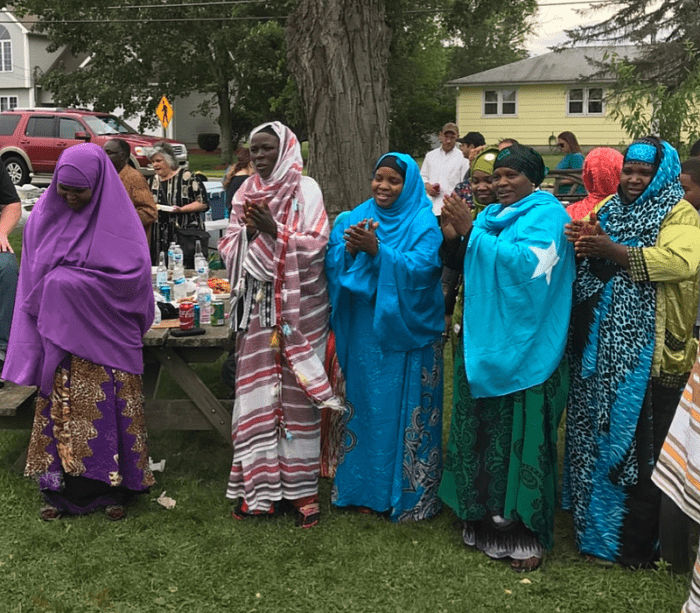
The term “Somali Bantu” is an umbrella designation referring to multiple agricultural, Bantu-language-speaking communities of Bantu ancestry who live primarily in southern Somalia. These communities are concentrated in fertile riverine regions, especially along the lower Jubba and Shabelle river valleys.
The label became widely used internationally in the 1990s to distinguish these populations from predominantly Cushitic Somali clan groups. While the terminology is relatively recent in global usage, the communities it refers to have long-established cultural traditions, agricultural livelihoods, and social structures rooted in southern Somalia.
LAND &
RESOURCES
Southern Somalia is an ecologically and economically significant region. Its fertile river systems, productive agricultural lands, and natural resource deposits make it one of the most resource-rich areas in the country.
Mineral and Energy Resources
The region contains various mineral and energy deposits, including iron ore, tin, gypsum, bauxite, uranium, copper, and salt. Large deposits of sepiolite (meerschaum) are found in south-central areas. Natural gas reserves have been identified but remain largely undeveloped.
Agricultural Resources
Agriculture forms the foundation of the regional economy. The riverine environment supports extensive cultivation of crops such as bananas, sugarcane, rice, sorghum, and maize. Fertile soils and access to water have historically made the region one of the country’s primary food-producing zones.
Livestock and Fisheries
Livestock production is a major economic activity that supports livelihoods, trade, and food security. Coastal areas in the south also support fishing activities, including tuna, mackerel, and shellfish, contributing to both local consumption and export.
Water Systems
Agricultural productivity depends heavily on the Juba and Shabelle river systems, which provide irrigation and sustain settlement and farming across the region.
HISTORY